
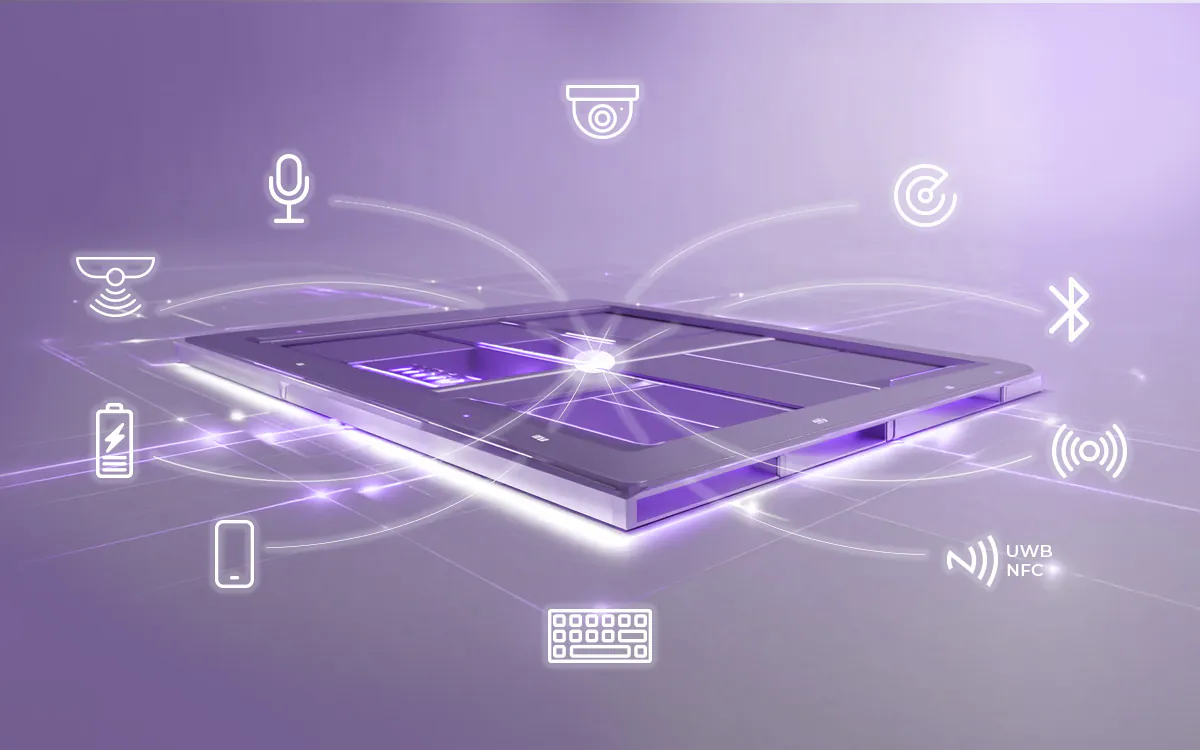
Modern security systems have become essential for protecting people, property, and data. Their importance has also influenced the complexity of these systems - evolving from simple alarm solutions to complex, highly integrated platforms. These systems include devices such as cameras with advanced recognition algorithms, fire and gas detection sensors, biometric access control systems, and alarms connected via IoT technologies, enabling fast detection and real-time response to threats.
The demand for high efficiency and reliability necessitates advanced hardware solutions that enable the integration of all components into a unified system. This approach ensures stable communication and accurate data analysis, even under conditions of reduced signal strength. The successful implementation of these systems requires a deep understanding of the interactions between technological domains, achieving optimal performance and a high level of security.
Technical Foundations of Modern Security Systems
One of the key challenges in developing modern security systems is the integration of different types of components into a unified architecture. Integration involves:
- High-sensitivity analog sensor subsystems
- High-speed digital interfaces
- RF communication blocks for wireless data transmission
- Power management subsystems
Efficient integration of these domains requires careful design of interconnections, control of electromagnetic interference, and optimization of signal transmission. In such implementations, the engineering expertise of teams experienced in working on complex, highly integrated systems is essential.
System Integration and Subsystem Coordination
Efficient integration of various subsystems represents a key challenge in the development of modern integrated platforms. Each module (sensor, communication, or multimedia component) must function in perfect harmony with the others to ensure system reliability, stability, and optimal performance.
Our approach to integration is based on multidisciplinary engineering knowledge and careful coordination of all elements:
- Centralized control logic - enables synchronization of sensor operations, communication modules, and multimedia components, ensuring efficient data exchange and minimizing the risk of errors.
- Managing interdependencies and minimizing latency - identifying critical connections between subsystems and optimizing them allows for rapid data processing and timely responses in real-world conditions.
- Integration of multiple technologies into a unified functional entity - combining analog and digital signals, wireless communication, and advanced sensor technologies into a reliable and coherent architecture.
This approach enhances system performance and provides flexibility in adapting new functionalities and technologies, ensuring the long-term sustainability of the solution.
Expertise in Hardware Development
Based on the demands of modern multi-component systems, key areas of hardware expertise can be identified that enable the successful realization of complex and highly integrated platforms:
- High-Speed Digital Circuit Design – designing interfaces that operate error-free at high data transfer speeds, while maintaining full control over signal integrity.
- Signal and Power Integrity Simulations – before any board is ordered, our team verifies system behavior through simulations and addresses potential issues, saving both time and development costs.
- Mixed-Signal Design – integrating analog sensors and digital subsystems into a single system requires special attention to prevent digital noise from degrading sensitive analog signals. This is one of the most challenging areas of PCB design, requiring a simultaneous understanding of both domains.
- RF Analysis and Antenna Calculation – reliable wireless communication is no accident. Our team designs and analyzes antenna systems to ensure stable range and minimal interference between wireless modules coexisting on the same device.
- PCB Stackup Optimization – by strategically arranging the board layers, we control impedance, reduce electromagnetic emissions, and achieve optimal thermal distribution, directly influencing the reliability of the final product.
- Power Management and Energy Efficiency – designing power systems that simultaneously meet the requirements of different subsystems, minimize losses, and ensure stable operation under all conditions – ranging from normal to peak loads – is a critical element of any complex device. Our team applies advanced techniques to optimize energy consumption throughout the product's lifecycle.
- Microphone Noise Reduction – in environments where digital circuits generate electromagnetic interference, achieving high-quality audio recording requires a specialized engineering approach during design, which includes careful component placement, filtering, and managing ground potential.
- Radar and Camera Enclosure Design – the physical design directly impacts performance. The enclosure must be transparent to radar signals while optical openings for the camera must meet both aesthetic and functional requirements. Finding the right balance between mechanical, optical, and RF demands is one of the challenges that distinguishes experienced teams.
- Sensor Integration into Compact Devices – fitting all these functions into small form factors while maintaining performance and reliability is one of the key challenges of modern hardware design. Our team frequently works on projects where spatial constraints require creative engineering solutions.
- System Verification and Diagnostics – development doesn’t end with production release. Our team builds infrastructure for testing and diagnostics that enables rapid issue identification, performance monitoring over time, and easy firmware updates - ensuring long-term reliability of devices in the field.
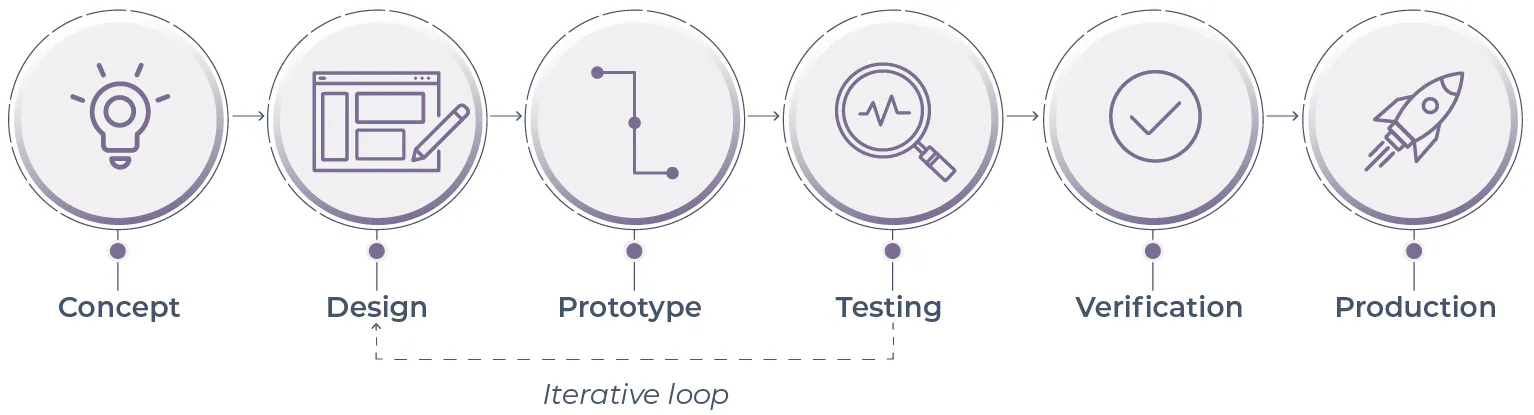
Figure 1. Iterative hardware development process
Conclusion
The development of highly integrated hardware systems is an iterative and complex process that requires deep technical understanding, experience in managing interdependencies between subsystems, and careful balancing of engineering trade-offs.
Such an approach entails continuity throughout all stages of development – from the initial definition of architecture and design, through simulations and prototyping, to verification and support in production environments.
The RT-RK team, with its experience in such processes, has the capabilities to deliver stable, optimized, and reliable solutions, ready for deployment in real-world conditions. This end-to-end development approach is particularly significant for partners seeking a reliable collaborator for the entire hardware development lifecycle.