
The electronics industry in the 21st century faces challenges that extend far beyond technological innovation. Rapid market evolution, shortened component lifecycles, and constant pressure for new product generations have made long-term system maintenance increasingly complex. While semiconductor performance continues to advance, component availability has become one of the most critical constraints on product longevity.
Advances in manufacturing technologies and evolving business models have accelerated product turnover, significantly reducing the operational lifespan of individual electronic components. As a result, maintaining a product over decades now requires deliberate lifecycle planning rather than reactive maintenance.
The Obsolescence Reality
Component obsolescence has become a systemic challenge across the electronics industry. The situation reached a peak in 2022, when more than 700,000 electronic components were declared end-of-life within a single year. While subsequent years were less extreme, the trend persists, with an annual average of approximately 500,000 components reaching EOL status.
Several structural shifts drive this reality:
- Semiconductor lifespans have shortened to 2–5 years
- This represents a ~60% reduction compared to previous decades
- More than 30% of components reach EOL without prior PCN notification
For manufacturers of long-lifecycle products, these trends pose a continuous risk to product availability and operational continuity.
Not all industries are affected equally. High-volume sectors such as consumer electronics, mobile devices, and automotive platforms can adapt more rapidly due to scale, purchasing leverage, and shorter product lifecycles. In contrast, industrial systems, aerospace platforms, medical devices, and specialized IoT solutions operate under long development timelines, limited production volumes, and extended return-on-investment horizons—making proactive lifecycle management essential.
A 20-Year Product in Continuous Operation
Within this environment, RT-RK has sustained continuous operation of its oldest active product for over 20 years. The system was designed as a military-grade electronic platform intended for long-term deployment in demanding operational conditions.
From the start of production, RT-RK also supported ongoing manufacturing and delivery over an extended timeframe. Between 2006 and 2014, the product was manufactured and delivered in volumes totaling approximately 15,000 units. Since then, production has continued at a steady rate of approximately 1,000 units per year, supporting long-term field deployment and operational continuity.
From the outset, the product was developed with:
- Support for small- and medium-volume manufacturing
- Local production ramp-up capabilities
- Long-term maintenance for specialized and mission-critical applications
Over two decades of operation, nearly the entire bill of materials has been replaced, including the primary integrated circuit, which was discontinued fifteen years ago. These changes were executed without interrupting product availability or compromising functional integrity.
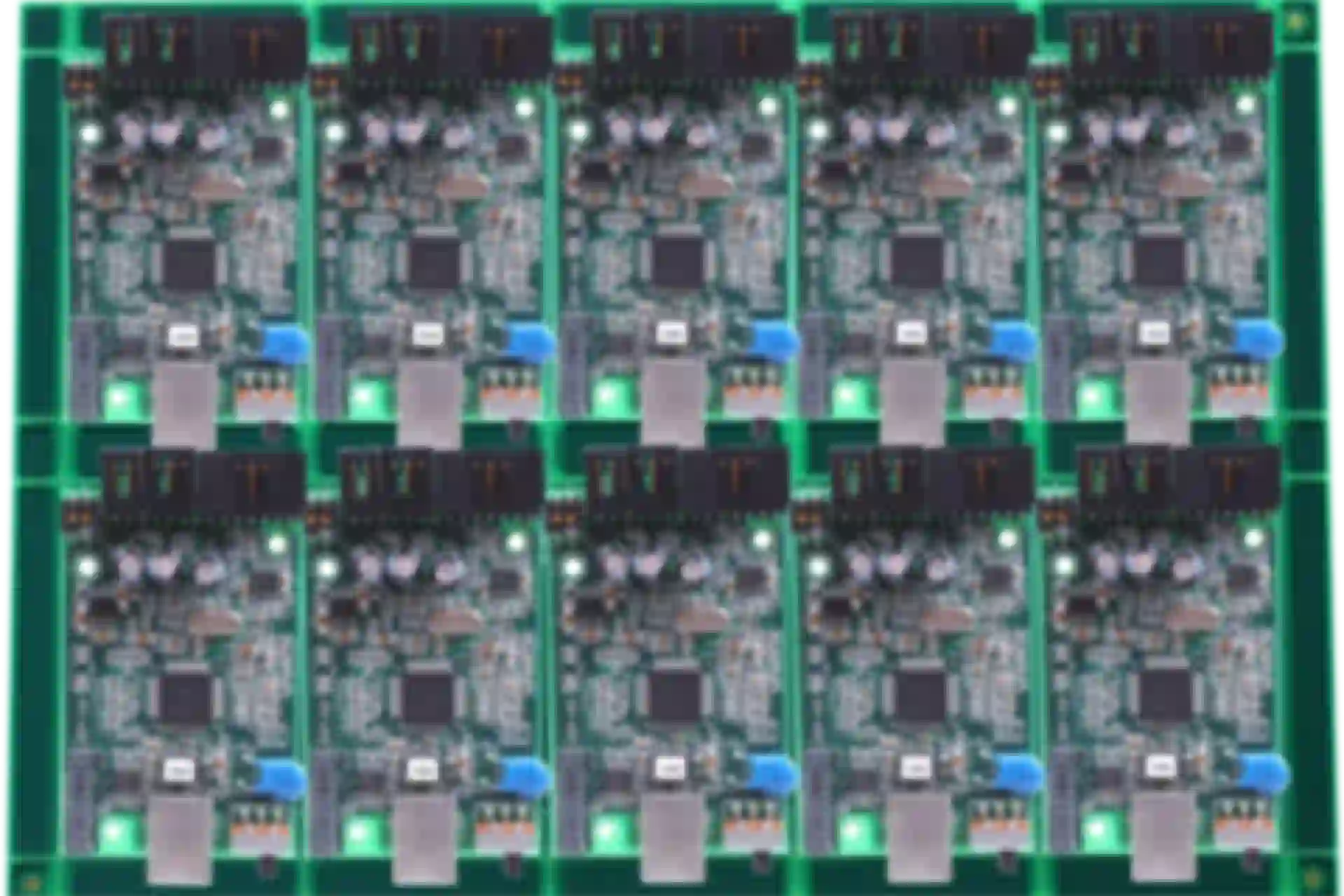
Figure 1. Production panel with 10 devices
Lifecycle Management in Practice
Maintaining product continuity over two decades required sustained engineering effort across multiple domains. Throughout the product’s lifecycle, RT-RK teams continuously addressed:
- Component obsolescence and EOL management
- Multi-source procurement strategies
- Last-time-buy planning and inventory optimization
- Detection and avoidance of counterfeit components
- Supply shortages and market disruptions
- Operational continuity during pandemics, geopolitical conflicts, and natural disasters
Rather than treating obsolescence as an exception, lifecycle events were managed as an expected part of long-term operation.
Lifecycle Continuity as an Engineering Discipline
Sustaining a product for decades requires more than periodic updates. It demands a coordinated approach that integrates development, manufacturing support, obsolescence management, logistics, and controlled redesign within a single lifecycle framework.
In an industry defined by rapid change, long-term product continuity is not accidental. It is the outcome of experience, structured processes, and disciplined engineering practice.