
For more than fifteen years, RT-RK has been developing browser solutions for Smart TVs and Set-Top Boxes. During that time, one thing has remained remarkably consistent: every platform requires browser-accessible functionality that extends beyond the standardized web platform.
The Challenge: Evolving Platform APIs in a Standardized Browser
Long before HTML5 became the dominant foundation for web applications, technologies such as CE-HTML exposed platform capabilities through browser-integrated APIs. Later, HbbTV adopted a similar concept through a collection of object-based interfaces that enabled access to services such as:
- Broadcast television
- Application management
- Content discovery
- Media control
What's particularly interesting is that while browser technologies have evolved significantly, this requirement has not disappeared. HbbTV continues to evolve, introducing new capabilities and expanding its application ecosystem, while platform vendors continue to require functionality that is unique to their products and services.
The challenge is not whether these interfaces should exist, but how they can be introduced efficiently within a modern Chromium-based browser architecture. Over years of browser integration projects, RT-RK repeatedly encountered the same question: how can new functionality be exposed to applications without turning every platform requirement into a browser customization effort?
Chromium's WebIDL Model
Chromium exposes browser functionality to JavaScript through interfaces defined using WebIDL. During the build process, these definitions are transformed into the bindings that connect JavaScript APIs with their underlying native implementations. This architecture is extremely effective for standardized web technologies. Browser APIs are clearly defined, consistently implemented, and tightly integrated into the Chromium platform.
However, embedded devices often operate under different sets of requirements. Platform-specific services, operator integrations, middleware components, and proprietary device capabilities frequently evolve independently from browser releases. In a traditional Chromium integration, introducing a new browser-accessible interface typically requires:
- Extending WebIDL definitions
- Implementing corresponding native functionality
- Regenerating bindings
- Rebuilding the browser
For organizations supporting multiple products, vendors, or deployment variants, the dependency between platform evolution and browser customization can quickly become a significant maintenance challenge.
The Solution: A Runtime Binding Framework
To address these challenges, RT-RK developed a runtime binding framework capable of dynamically exposing JavaScript interfaces without modifying Chromium's static binding generation process. Instead of defining every browser-accessible API at build time, interfaces are described through a platform-provided template. During browser initialization, the framework interprets these definitions and dynamically creates the corresponding JavaScript objects, methods, properties, and events. Behind the scenes, these interfaces are connected to native C++ implementations, allowing platform functionality to be exposed through familiar browser APIs while remaining independent of Chromium's source tree. From an application's perspective, these APIs behave like ordinary browser interfaces. Behind the scenes, however, the browser itself remains independent from the platform-specific functionality being exposed.
Rather than embedding every platform feature into Chromium, interfaces can be introduced dynamically as platform requirements evolve.
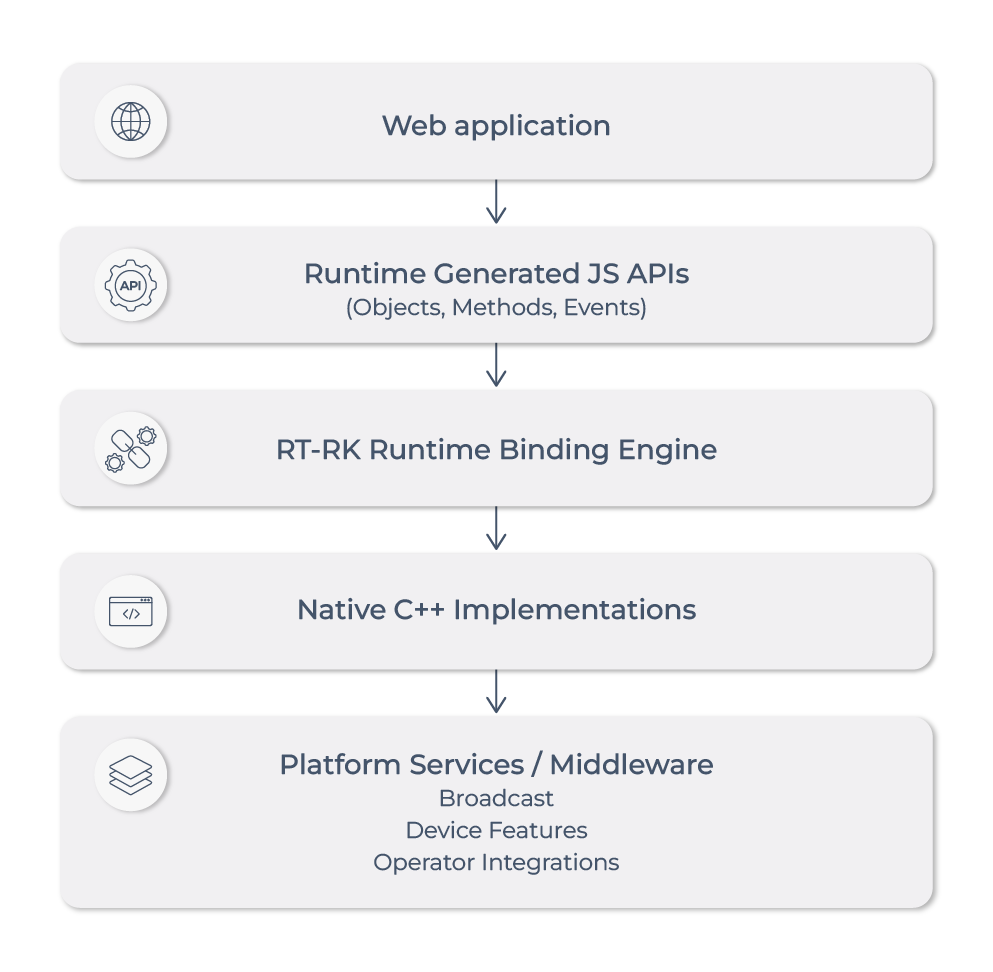
Figure 1. Runtime-generated browser interfaces connecting JavaScript applications to platform services.
Bridging Modern Chromium and Embedded Platform Requirements
One of the recurring challenges in embedded browser development is balancing standardization with platform differentiation. Chromium is designed around standardized web technologies, while Smart TV and STB platforms frequently require interfaces that are unique to a particular operator, OEM, middleware solution, or device family. Over the years, RT-RK observed that while the APIs themselves continuously changed, the pattern remained the same: browser applications needed access to functionality that existed outside the standardized web platform.
The runtime binding framework acts as a bridge between these two worlds. The browser continues to provide a standards-compliant Chromium foundation, while platform-specific capabilities can be defined independently and introduced dynamically. Browser evolution and platform evolution become separate concerns, allowing each to progress at its own pace.
Built for Long Product Lifecycles
Embedded products frequently remain in the field for many years. During that period, browser technology, platform requirements, operator demands, and industry specifications continue to evolve. This creates a unique challenge for browser maintenance. A functionality change that might appear relatively small from a platform perspective can become disproportionately expensive if it requires browser modifications, regeneration of bindings, certification activities, and long-term maintenance across multiple product variants.
By externalizing interface definitions, the runtime framework reduces this dependency between platform changes and browser customization. New capabilities can be introduced through interface descriptions and native implementations rather than through continuous modifications of browser internals. For organizations maintaining multiple deployments, this significantly simplifies lifecycle management.
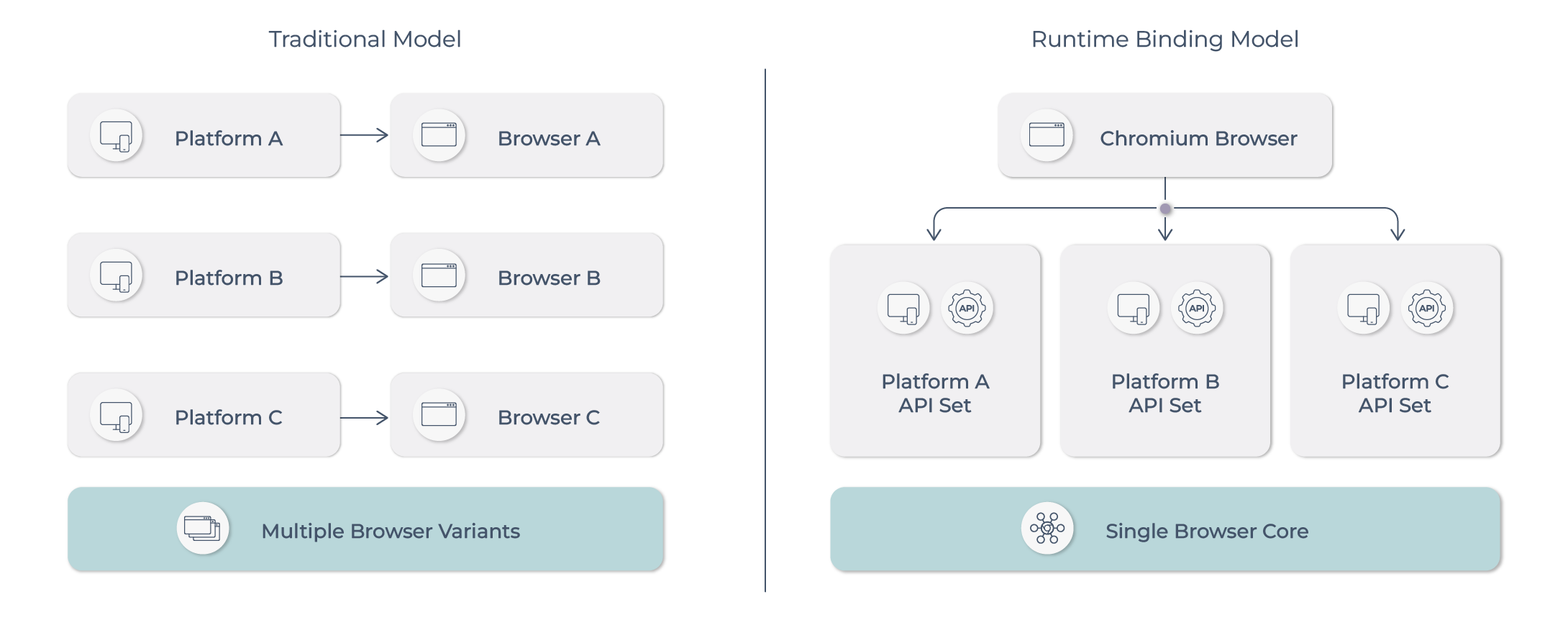
Figure 2. Runtime bindings enable platform differentiation without creating multiple browser variants.
Strategic Benefits for OEMs
- Reduced maintenance: Platform interfaces evolve independently of Chromium releases, avoiding repeated binding regeneration and rebuild cycles.
- Single deployment, many platforms: One browser core serves different vendors, operators, and product families, exposing only the capabilities each platform requires.
- Faster integration: Externalized definitions improve portability, cut customization overhead, and accelerate integration across deployments.
Conclusion
The need for platform -specific browser APIs has been constant throughout the evolution of connected TV and Set-Top Box platforms. Despite the industry's transition from early CE-HTML environments to modern Chromium-based browsers, applications still require access to functionality that exists beyond the scope of standardized web technologies.
RT-RK runtime binding framework addresses this challenge by enabling JavaScript interfaces to be defined and exposed dynamically, without continuous browser modification or rebuild cycles. By separating platform functionality from Chromium's static binding model, the framework provides a flexible, maintainable approach to integrating evolving device capabilities into modern browser environments.